 Serbia Tourism
National Tourist Organization of Serbia. Serbia is located in the central part of the Balkan Peninsula, in the south-eastern part of Europe. Temperate continental climate, with a gradual transition between the four seasons of the year (worm summers, with temperature up to 30°C and snowy winters, with temperature from - 5°C to 10°C). Approx. 10 million. The majority of the population of Serbia are Serbs (66 per cent), but another 37 nationalities also live on its territory (Albanians 17 per cent, Hungarians 3,5 per cent, followed by Romanians, Croats, Bulgarians and others). All citizens have equal rights and responsibilities and enjoy full national equality.
|

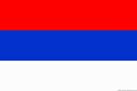 Serbia, officially the Republic of Serbia, is a landlocked country in Central and Southeastern Europe, covering the southern part of the Pannonian Plain and the central part of the Balkan Peninsula. It is bordered by Hungary on the north; Romania and Bulgaria on the east; Albania and Macedonia on the south; and Montenegro, Croatia and Bosnia and Herzegovina on the west. The capital is Belgrade.

